EcoPoetryWriting In The City
What is the soundtrack of your city?
The rhythms of traffic and overground train tracks? The whistling harmonics of planes and sirens overhead?

What about the wildlife?
The starlings, the magpies calling the dawn? Foxes barking at night?
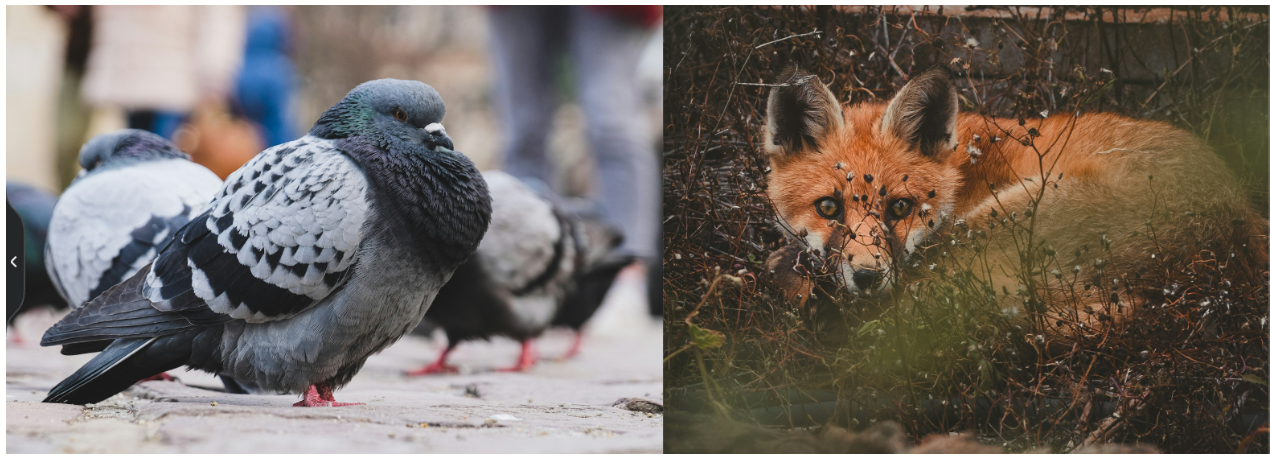
How do the scents of your neighbouring park and the smell of roadworks or fresh tarmac wake the senses?
Do you notice all the colourful architectural layers of ancient and modern buildings in an ancient yet modern city?
Do you sometimes not have words to describe how your body reacts to the noise and sights of every day living in towns or big cities?
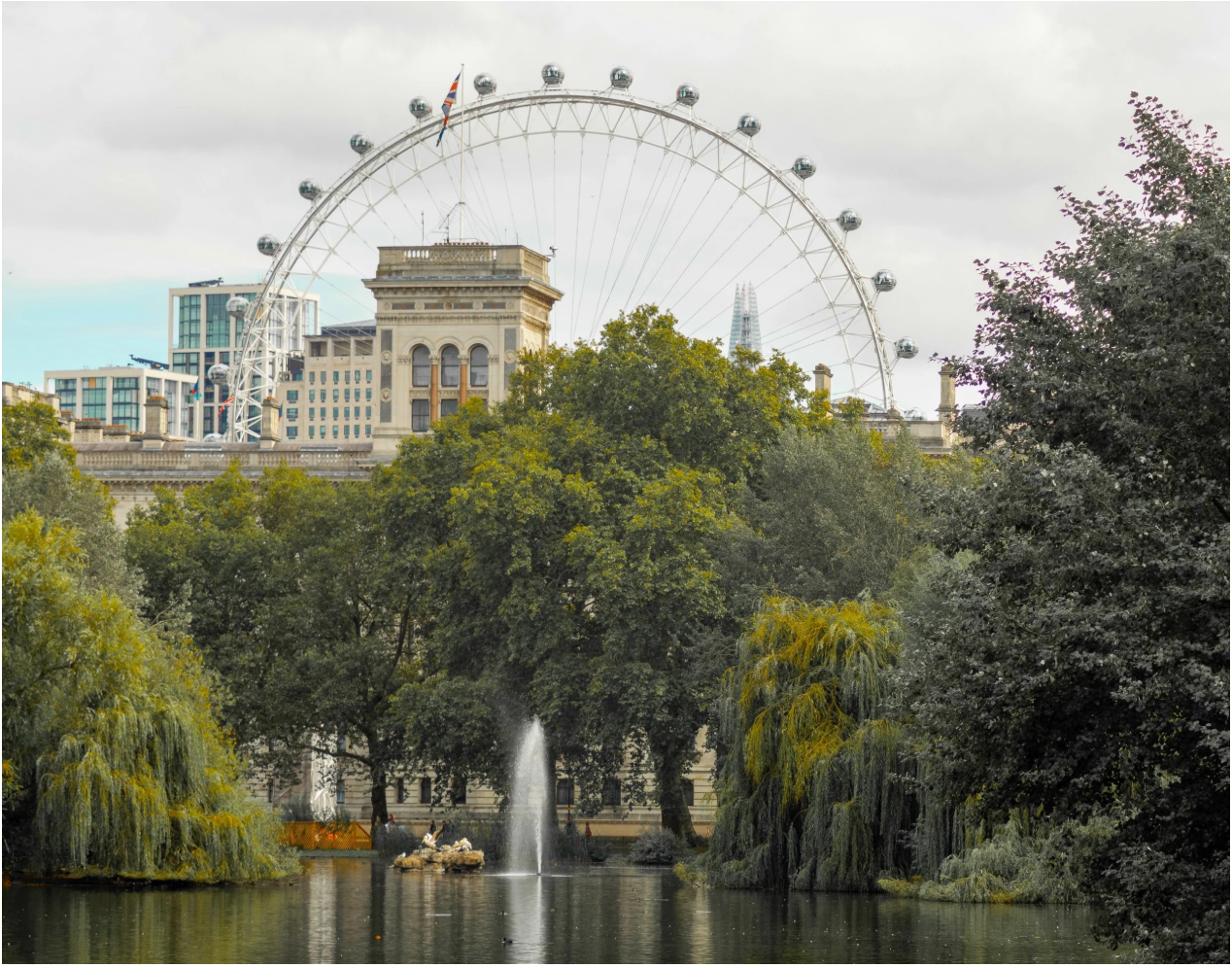
St James Park, London
Urban Nature Poetry
We are made from the earth itself. We are definitely a part of nature. So the questions we ask about our relationship with nature in urban environments can be explored using poetic language.
I have been writing as a career choice for 30 years and with each year, I become a little more familiar with my creative questioning and writing process.
I respond to the sounds of the city by sending the impact of the metallic sonics, for example and bustling fast pace to my brain to make a logical sense of it in words. It feels like a very cerebral exercise at first. A disconnect between the body and mind.
And then I explore poetic language to translate the city's energy back into the senses, to create powerful imagery, metaphor and symbology. I always hope to write poetry that inspires and encourages people to look at the world through a more positive lens.
Pastoral Poetry and EcoPoetry
At the beginning of the 18th century, traditional poetry writing about nature tended to separate the human from the natural and animal world. Humans became the observers of Earth's beauty and the consumers of its abundance.
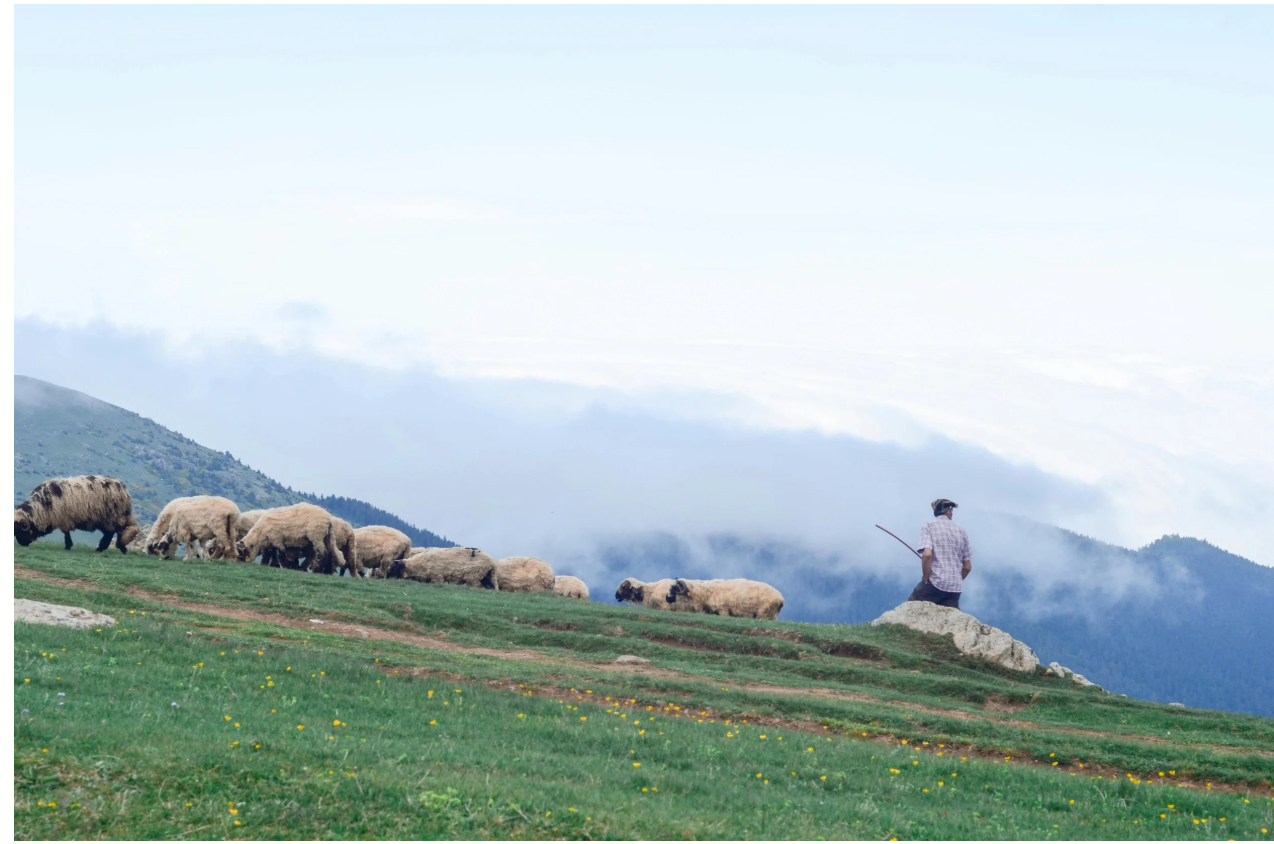
image: Gül Işık
The re-emergence of a poetic perspective called Eco-poetry can help us understand some of the details of our disconnected thoughts and feelings toward the natural world.
When reading EcoPoetry we can recognise that we are a part of this planet's ecology. Our pulse, moods and interest in the way the world works influences how we calculate the role we play in the health of the planet. And there is much to decipher and learn about how this role impacts our daily lives, our relationship with others and not just the planet. Next we have to find an everyday language to speak about it. One that is not full of climate jargon or environmental rhetoric, that sounds good feels too abstract to action anything. Like planting a tree. There is much that goes into planting a tree. The soil, for example ,has to be right or the tree could die.
So what we want to write and speak is with the metaphor that turns tha abstract into something emotionally visceral so that we are able to locate a small or big thing we can to that is self evident as an act of well being for self bringing us closer to the green parts of our immediate surrounding environment.
“EcoPoetry is a poetic lexicon of the 21st Century. Its use of imagery, cadence and emotional sentiment shrinks the world till the borders between nature and urbanity dissipate, until we can no longer deny that we are a part of a web of existences that are wholly interdependent on each other, i.e the Ecology of Planet Earth.”
With EcoPoetry we can blur and ‘synergise’ the borders of the natural world and the man-made city.
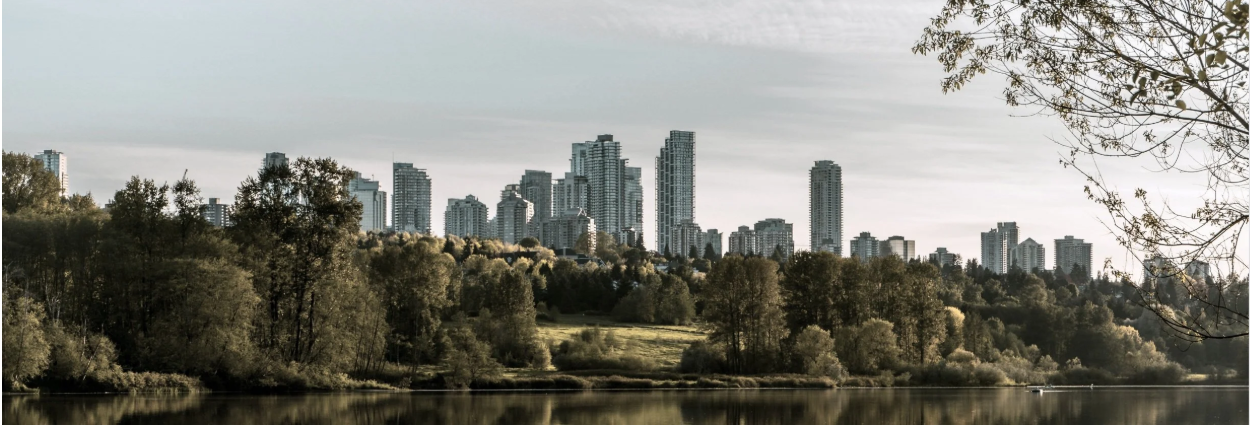
EcoPoetics is not just writing. Capturing images is a proactive way to begin the process of reconnecting.
The natural world and the city live side by side.
As long as we can observe them as connected together,
we can learn so much about what it means to be part of the ecology of the Earth.
With that knowledge, great things can be achieved.
~ Zena